In Touch With Nature – The difference between hyenas and wild dogs #hyena #wilddogs #Intouchwithnature
Posted: May 22, 2024 Filed under: Africa, Animals, In Touch With Nature, Poetry, Wildlife | Tags: African Wild Dogs, Hyenas, In Touch With Nature, Lion Scream, Painted Dogs, Poetry, Robbie Cheadle, Wildlife, Writing to be Read 56 Comments
My In Touch With Nature post last month was all about wild dogs. You can read that post here: https://writingtoberead.com/2024/04/24/in-touch-with-nature-highly-endangered-african-painted-wild-dogs-africanwildlife-africanwilddogs/
Several readers questioned the relationship between hyenas and wild dogs. I didn’t realise that there was confusion between these creatures because I’ve grown up knowing the differences (or some of them at least). This month, I am providing some insights into those differences.
First and foremost, wild dogs are canines and hyenas are Hyaenidae. Hyenas are considered to be ‘cat-like’ carnivores and are evolutionarily closer to felines than canines.
Appearance
Wild dogs have large, rounded ears that stand up on their heads as if perpetually listening. The African painted wild dog has a pattern on its coat that resembles paint splashes in white, ochre, and black. Wild dogs are the largest of the African canine and measure between 60 and 75 centimetres tall at their shoulders. They weight between 18 and 36 kilograms and have long, slender legs.

Hyenas have smaller ears that they draw back towards their heads. The spotted hyena has a brown-coloured coat with small dark brown spots scattered all over it and a main of longer hair. Spotted hyenas have short hind legs and longer front legs. They are larger and stronger than wild dogs having a height of up to 92 centimetres at the shoulder and a weight of up to 86 kilograms.
Behaviour
Wild dogs
Wild dogs are always on the move as they are threatened by bigger, stronger predators. They live in packs ranging from approximately 7 to 15 members and roam huge territories in search of food. Male wild dogs stay with their birth packs and females leave and find another one to join.
Packs are usually led by a dominant pair, although every member plays a valuable role. Team players, wild dogs care for other members of their pack and never leave a pack member behind.
Wild dogs are known for their endurance and can run long distances to wear down their prey. Wild dogs can reach a top speed of approximately 60 kilometres per hour (44 miles per hour).
Wild dogs are primarily diurnal like cheetahs, meaning they hunt during the day. Wild dogs are excellent hunters with an 85% hunting success rate, making them one of the most successful predators in the world. Working as a team, they can wear down animals like zebras, wildebeest (gnu) and large antelope like kudu. During a hunt, each member assumes a role as follows: subordinate males separate the target, the pack leader runs down the prey, and the others fan out to cover escape routes. Wild dogs nip and tear at their prey with their teeth as it continues to run away from them.
Hyenas
Hyenas live in groups, or clans, of between 6 and 100 individuals. Their complex social hierarchies are dominated by the larger and more aggressive females. They are much more aggressive than wild dogs and spend a lot of time fighting among each other. Despite this behaviour, the members of the pack work together to raise their young. Juveniles eat first at kills and the older females tend to sick and elderly pack members, even regurgitating food for them.
Opportunistic hunters and scavengers, hyenas have a reputation for stealing food from other predators. Hyenas are nocturnal meaning they hunt at night. Although they look ungainly, spotted hyenas can pursue prey for several kilometres without tiring. They can reach a top speed of approximately 60 kilometres per hour (37 miles per hour) and their heart is, proportionately, twice as big as a lion’s. Spotted hyenas often hunt alone but they can take down larger prey if they hunt as a pack. However, if the opportunity presents itself, they will steal from other predators including cheetahs and wild dogs.


YT video of a young spotted hyena in the wild:
YT video of an adult spotted hyena:
The poem below, from my book Lion Scream, is about the unusual genitalia and birthing process of spotted hyenas. I wrote a guest post about which featured on my lovely blogging friend, Meeks’, blog. If you missed it, you can read it here: https://acflory.wordpress.com/2023/03/19/the-hyena-natures-feminist/
Nature’s Trick
My gender is obscure
One of nature’s tricks
I have the same appendages as my mate
I am also bigger
Much more aggressive
***
Birthing is difficult
My babies – stillborn
After suffocating in my birth canal
Only the strong survive
To continue my line
***
When my pack makes a kill
I get my share first
When all females have fed, and
then our offspring
Then, and only then
Do the males partake

About Roberta Eaton Cheadle

Award-winning, bestselling author, Roberta Eaton Cheadle, is a South African writer and poet specialising in historical, paranormal, and horror novels and short stories. She is an avid reader in these genres and her writing has been influenced by famous authors including Bram Stoker, Edgar Allan Poe, Amor Towles, Stephen Crane, Enrich Maria Remarque, George Orwell, Stephen King, and Colleen McCullough.
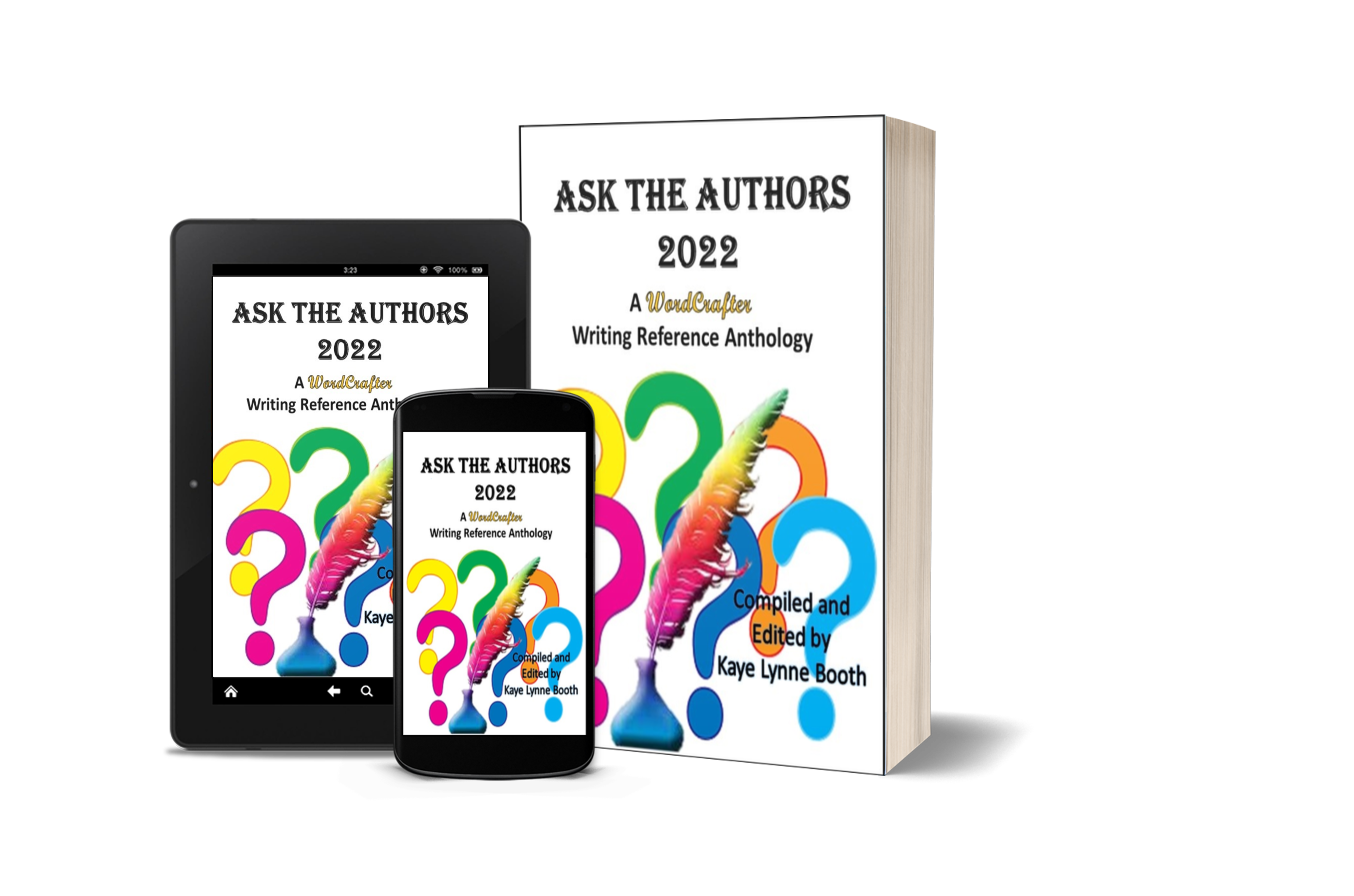
Roberta has two published novels and has horror, paranormal, and fantasy short stories included in several anthologies. She is also a contributor to the Ask the Authors 2022 (WordCrafter Writing Reference series).
Roberta also has thirteen children’s books and two poetry books published under the name of Robbie Cheadle, and has poems and short stories featured in several anthologies under this name.
Roberta’s blog features discussions about classic books, book reviews, poetry, and photography. https://roberta-writes.com/.
Find Roberta Eaton Cheadle
Blog: https://wordpress.com/view/robertawrites235681907.wordpress.com
Twitter: https://twitter.com/RobertaEaton17
Facebook: https://www.facebook.com/robertawrites
Amazon: https://www.amazon.com/Roberta-Eaton-Cheadle/e/B08RSNJQZ5
_____________________________________________________________________________________________
Want to be sure not to miss any of Robbie’s “In Touch With Nature” segments? Subscribe to Writing to be Read for e-mail notifications whenever new content is posted or follow WtbR on WordPress. If you found it interesting or entertaining, please share.
Discover more from Writing to be Read
Subscribe to get the latest posts sent to your email.











It was great to learn about the difference between African Wild Dogs and Hyenas. They looked similar to me but now I see the difference and I know they aren’t even related. About a week ago I thought Hyenas were canines. Well I know better now.
LikeLiked by 1 person
HI Thomas, I’ve seen a lot more spotted hyenas that wild dogs in the wild. Hyenas are much more scary looking with their heavy chests and long mane of hair. They also laugh which is quite creepy. I do enjoy them though. PS they also smell very bad.
LikeLiked by 2 people
Wow that’s interesting
LikeLiked by 1 person
🌺💕
LikeLiked by 2 people
A great description of the differences between these two animals. The painted dogs are so cute, but I know they are a wild animal.
LikeLiked by 1 person
Yes, very wild. They start eating their prey while it’s still running from them 🫣
LikeLiked by 2 people
Interesting, Robbie! Thanks for comparing the two.
LikeLiked by 1 person
My pleasure. I find hyenas very interesting creatures 😊
LikeLiked by 2 people
😀
LikeLiked by 1 person
I love the lessons I have learned here, Robbie! You are raising awareness and cultivating empathy.
LikeLiked by 1 person
Hi Annette, I am so happy to know that 🤗💕
LikeLiked by 2 people
Fascinating information and images, Robbie!
LikeLiked by 1 person
I’m glad you enjoy these posts, Dave
LikeLiked by 2 people
I don’t think of hyenas and wild dogs as being similar species, but it’s not like I’ve had a lot of experiences with either. One time I was backpacking with a buddy in the middle of nowhere and a wild dog came at us aggressively. It must have been an hour until my heart rate returned to normal.
LikeLiked by 1 person
Hi Pete, I would not want to run into either of these creatures on foot.
LikeLiked by 2 people
I remember the “Nature’s Trick” poem! Thank you for explaining the difference between wild dogs and hyenas. The Australian dingo would be related to the wild dog, then?
LikeLiked by 1 person
Hi Liz, yes, dingos are dogs. I like this poem. I find hyenas to be fascinating creatures
LikeLiked by 2 people
Lots of differences, Robbie. They’re easy to see in the photos before you get into the detail of behaviors. A wonderful look at another part of African wildlife. Thanks for sharing your knowledge. And thanks for hosting, Kaye Lynne.
LikeLiked by 1 person
🙂
LikeLiked by 1 person
Hi Diana, I’m really pleased you could spot the differences easily. Thank you 💓🌸
LikeLiked by 2 people
I always thought hyenas were bear-like, but I really see the cat resemblance now that you pointed it out. Thanks, as always, for the enlightenment–and enjoy your trip! (K)
LikeLiked by 1 person
Hi, Kerfe I’ glad the differences became clearer to you. Animals are so interesting.
LikeLiked by 2 people
They are.
LikeLiked by 1 person
💗
LikeLiked by 2 people
Hi Robbie – I found this post very interesting. We do not have hyenas or wild dogs around here so I knew nothing about them or their differences. Thank you for sharing your knowledge and I hope you have a good trip to Norway and back 🙂
LikeLiked by 1 person
Hi Barbara, I am so pleased you enjoyed this post. Both creatures are very interesting although I love hyenas. Perhaps because they are generally disliked by people. Disney vilified them I’m The Lion King. I arrived in Oslo about 2 hours ago. A long journey.
LikeLiked by 2 people
I bet, but I’ve seen your pictures on Instagram and you are perky!
LikeLiked by 1 person
Yes, I do recover quickly 🩵
LikeLiked by 1 person
Hi Robbie, I know these very well! Lovely aren’t they.
LikeLiked by 1 person
I enjoy both of these creatures, Chris
LikeLiked by 2 people
This was very interesting, Robbie. They definitely have radically different behaviors.
Awesome poem, too!
LikeLiked by 1 person
Hi Priscilla, I’m glad you enjoyed this post. I find both creatures fascinating and I’m lucky to have seen them in the wild.
LikeLiked by 2 people
Thank you, Robbie! I loved learning this. As always, your images and videos are special.
These animals are beautiful.
Thank you, Kaye, for hosting Robbie! She has a lot to teach us.
LikeLiked by 1 person
Indeed she does Resa. I’m learning new things from her all the time. Her creativity is astounding.
Thaks for your comment. 🙂
LikeLiked by 1 person
Thank you, Kaye
LikeLiked by 1 person
Welcome! (thank you too!)
LikeLiked by 1 person
☺️💜
LikeLike
Hi Resa, I am delighted you enjoyed this post. Southern African wildlife continuously amazes me.
LikeLiked by 2 people
It’s not a wonder. The wildlife is special.
LikeLiked by 1 person
It is. I am looking forward to going to see the bearded vultures in July (provided there isn’t civil unrest in that area – it has been described as a hand grenade as the election results come out).
LikeLiked by 2 people
Oh dear!
Civil unrest… hand grenade elections… no wonder you’d like to move.
I just looked up bearded vulture.. it is considered “Threatened” globally.
It seems the short list is now… what animals are not threatened.
❦🌹
LikeLiked by 1 person
Hi Resa, that seems to be correct. It is a great tragedy. I don’t understand people, but I never have. Africa remains a place of political turmoil. Sadly, it seems the population has to reach a state of complete devastation before change and improvements can come about. This is unfortunately the story of Africa.
LikeLiked by 2 people
I think you are right.
Yet, even at the point of Post Devastation, it seems oft old wounds surface and the cycle of bitterness, revenge & violence can re-ignite.
Even the USA is not immune at this point. Things are great in Canada, “still”.
I bet you’d like it here. Tons of rugged northern terrain, with no grenades.
Plenty of endangered animals, unfortunately: polar bears, wolves, more and the lynx. https://www.endangered.org/animals/canada-lynx/
LikeLiked by 1 person
Hi Resa, thank you for the link. I’ll take a look at it. Canada is a lovely country. You are fortunate to live there.
LikeLiked by 2 people
Yes, I am fortunate. I have known that for a long time. ❦❦🌹
LikeLiked by 1 person
It’s good that you know it. Hugs
LikeLiked by 2 people
Hugs!
I love your book. I’ll send a couple of questions in a few days. I’m reading it again. It went by too, fast.
The “canned hunting” is most disturbing.
LikeLiked by 1 person
Hi Resa, canned hunting makes me feel sick. I never go to places where any sort of hunting is allowed. I am delighted you enjoyed the book. That is lovely to know.
LikeLiked by 2 people
Yay!
The book really is in a class of its own. I need to think how to present it, its depth and beauty of honesty.
It is not just a pretty book of poems, and images. It’s so much more!
LikeLiked by 1 person
HI Resa, I am glad you understand and appreciate this collection. It really makes me so happy. Huge Hugs.
LikeLiked by 2 people
The book is a very moving commentary. I think you take the reader on an important journey.
I’ve got some ideas how to present.
I’ll email you this weekend, with a couple of questions. Hugs
LikeLiked by 1 person
Thank you, that sounds wonderful, Resa. I am hoping to pop out today to purchase an A1 canvas for my new painting project.
LikeLiked by 2 people
Oooo! I found a new art store last week. Love it!
LikeLiked by 1 person
This was a new art store for me and its very reasonably priced. I bought two canvases. Now I just need to paint them.
LikeLiked by 2 people
Yahoo!
LikeLiked by 1 person
I started last night. I’m managing …
LikeLiked by 2 people