Read & Cook – On the Beach by Nevil Shute and chicken shawarma recipe
Posted: March 11, 2026 Filed under: Book Review, Books, Fiction, Post-Apocalyptic, Recipes, Review, Robbie Reads and Cooks | Tags: #ReadandCook, #recipe, #RobbieCheadle, Book Review, Chicken Shawarmas, Neville Shute, On the Beach, Read and Cook, Robbie Cheadle, Writing to be Read 54 Comments
Given the current state of affairs in the world, I think now is a good time to share my review of this post and pre-apocalyptic novel.
My review of On the Beach by Nevil Shute
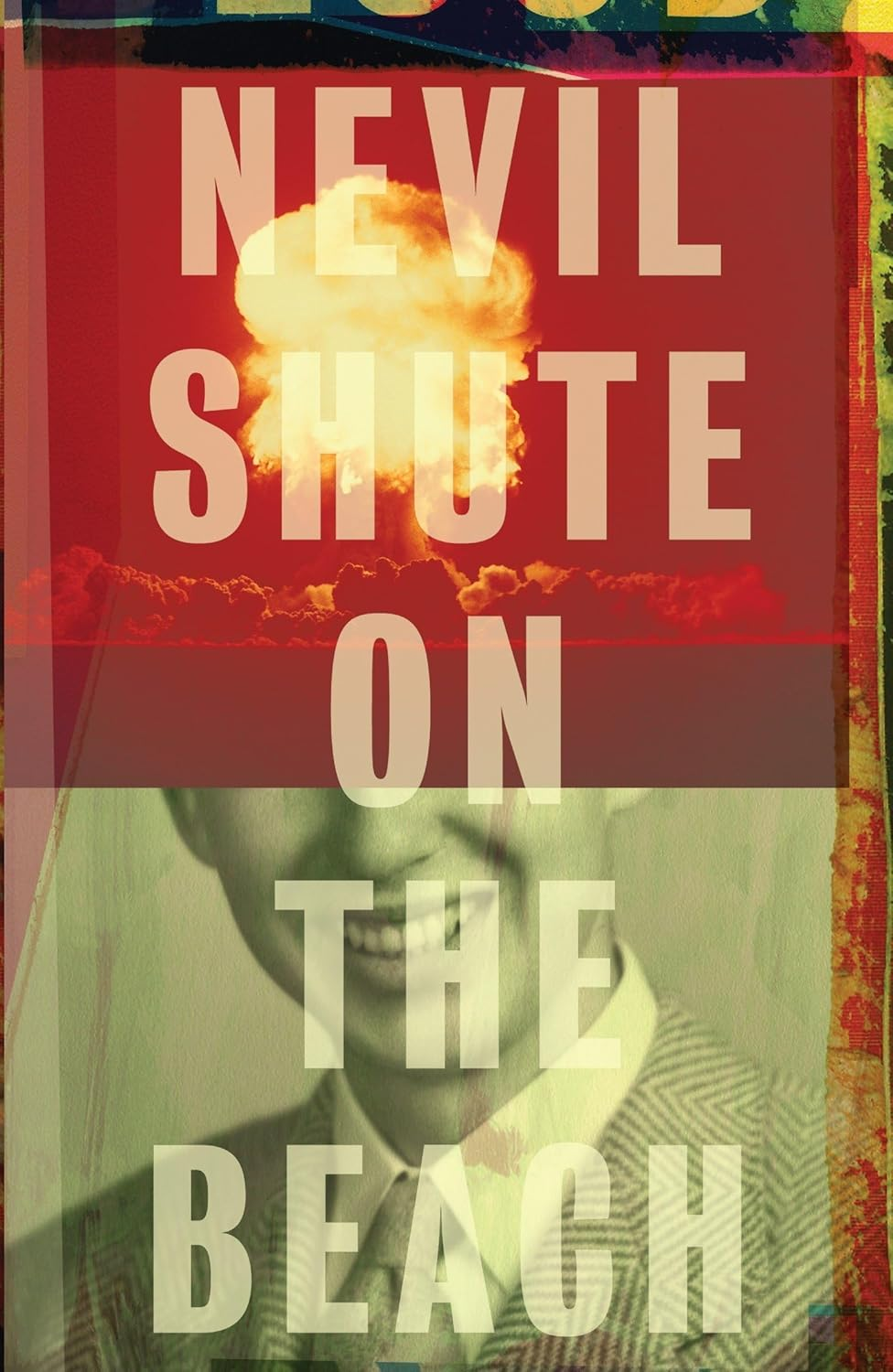
One the Beach is a post-apocalyptic novel set in Australia. The Northern Hemisphere has been completely destroyed by a nuclear war, and the residents of Southern Hemisphere are waiting for the inevitable arrival of deadly radiation. The story is set in Australia during the heat of the summer, and all of the characters are struggling to come to grips with their situations as short-term survivors of the war and the awful knowledge of their impending deaths from radiation as the nuclear fallout travels steadily southwards.
Lieutenant Commander Peter Holmes of the Royal Australian Navy is given a new and welcome assignment during this period of waiting for the inevitable deaths of himself and his family. He is appointed as the liaison officer to the American submarine, the U.S.S. Scorpion, commanded by Dwight Towers from New England in the U.S.A. The Scorpion had been near Australian waters when the global conflict erupted, and Towers and his men are now stranded with no country or homes to return to. There is an immediate contrast between the two men, Holmes and Towers, as Holmes still has his home, his wife and his baby daughter while Towers knows his home and family are gone. Towers, however, has retreated into fantasy of a sort where he still thinks of his wife and children as being alive and well and waiting for his return home even though he knows they are dead. It is incredibly moving and makes Towers’ loss that much more tragic and poignant.
Towers’ submarine has been placed under Australian command and Holmes is tasked with inspecting the Scorpion and briefing Towers about their orders to set out northwards in search of surviving life. This mission gives Holmes a small glimmer of hope that all might not be lost. In an attempt to distract Towers from his unhappy situation, Holmes extends an invitation for Towers to visit his home in Falmouth and enjoy the beach and time with Holmes’ family and friends. Towers accepts and during the visit is introduced to Moira Davidson, a beautiful and engaging young lady who has turned to alcohol and partying for solace.
The story involves three primary threads, namely, the journey of the submarine and its findings, a light romance of a sort between Moira and Towers, and the preparations by the Australian characters for their eventual deaths from radiation.
This story was an exceptionally intense and sad read for me as the characters are all such decent and ordinary people. The beach setting and sunny days at the beginning of the story combined with the forced merrymaking and pleasure taking of Holmes group of acquaintances slowly gives way to the cold and bleakness of winter and the acceptance by the various characters of their deaths. Many choose to end their lives with a pill provided by the Government for this purpose prior to succumbing to the radiation poisoning. There is no happy ending to this story and that is what’s so striking and awful about this story. There is no hope for survival for anyone right from the beginning. This is one of the few books I’ve read in my life that has made me cry.
The standout theme for me of this novel is finding meaning and purpose in the face of certain death. All of the characters in On the Beach exist in a strange period of time between the ending of the Northern Hemisphere through nuclear war and the ending of their own existence when the radioactive fallout reaches them, a period of approximately six months. The novel delves into the reactions of different people to an uncontrollable situation that can only end in death and demonstrates how some people can rise above despair and self-pity and make the most of the time they have left. Some characters turn to perpetual drunkenness or reckless car racing, but many resolve to carry on to the end with dignity and continue to do their duty. For Holmes, his duty includes continuing with his navel duties even though they ultimately become irrelevant. His wife continues to care for their baby daughter and run her home as if nothing could ever harm them.
This book was written at the height of the Cold War when the United States and the Soviet Union were engaged in ideological rivalry and a nuclear arms race. On the Beach reflects the fears of the period about a potential nuclear war and the destructive potential of atomic bombs.
Quotes from On the Beach
“It’s not the end of the world at all,” he said. “It’s only the end of us. The world will go on just the same, only we shan’t be in it. I dare say it will get along all right without us.” Dwight Towers raised his head. “I suppose that’s right. There didn’t seem to be much wrong with Cairns, or Port Moresby either.” He paused, thinking of the flowering trees that he had seen on shore through the periscope, cascaras and flame trees, the palms standing in the sunlight. “Maybe we’ve been too silly to deserve a world like this,” he said. The scientist said, “That’s absolutely and precisely right.” There didn’t seem to be much more to say upon that subject, so they went up on to the bridge for a smoke, in the sunlight and fresh air.”
“Mary looked at her gratefully. “Well, that’s what I think. I mean, I couldn’t bear to—to just stop doing things and do nothing. You might as well die now and get it over.” Moira nodded. “If what they say is right, we’re none of us going to have time to do all that we planned to do. But we can keep on doing it as long as we can.”
“Two days later they reached Port Darwin and lay in the harbour beneath the town. Here they could see nothing but the wharf, the roof of Government House, and a bit of the Darwin Hotel. Fishing boats lay at anchor and they cruised around these, hailing, and examining them through the periscope. They learned nothing, save for the inference that when the end had come the people had died tidily. “It’s what animals do,” John Osborne said. “Creep away into holes to die. They’re probably all in bed.” “That’s enough about that,” the captain said. “It’s true,” the scientist remarked. “Okay, it’s true. Now let’s not talk about it any more.” The report certainly was going to be a difficult one to write.”
Purchase On the Beach from Amazon US here: https://www.amazon.com/Beach-Nevil-Shute/dp/0307473996
Recipe for chicken shawarmas
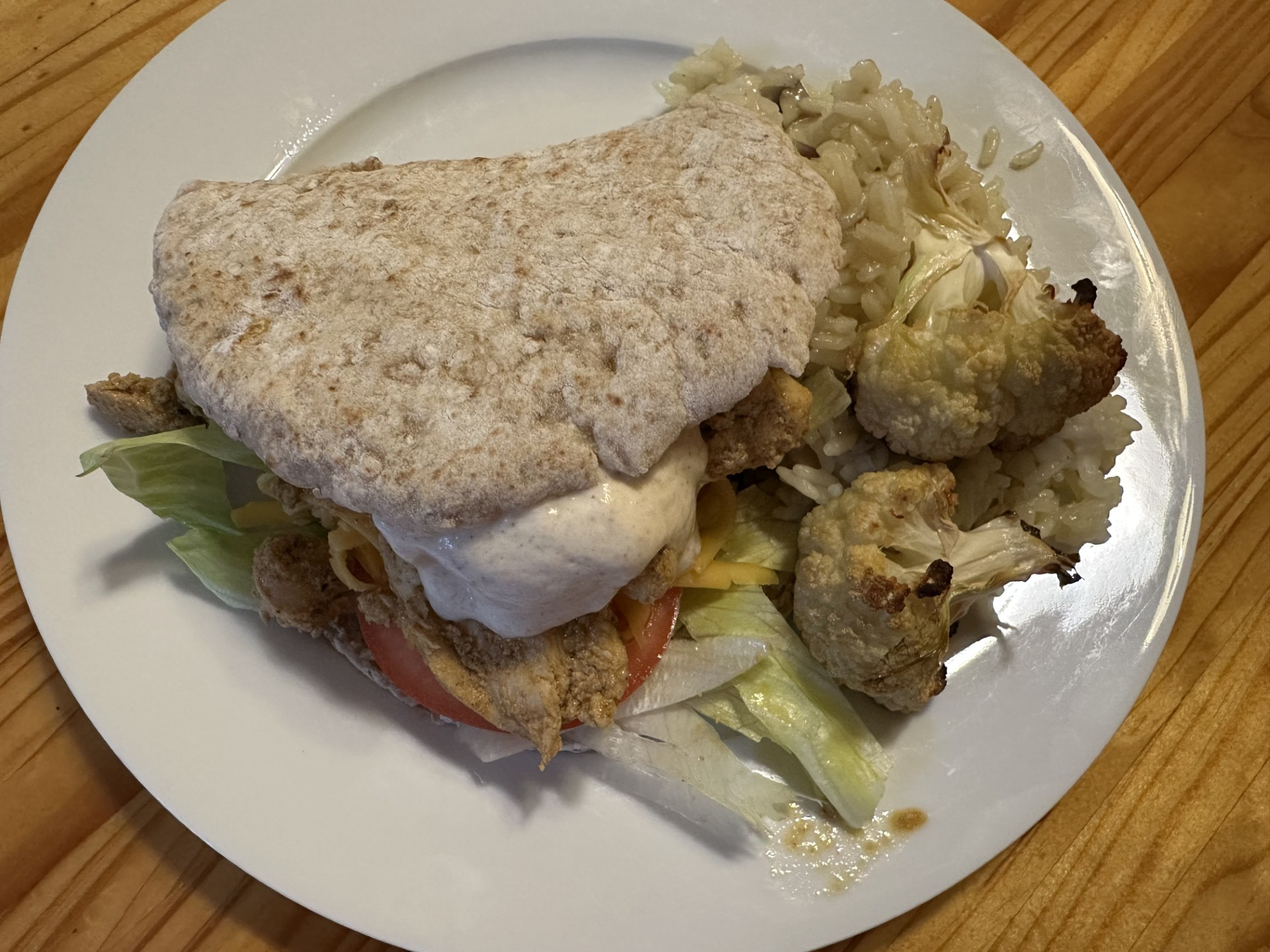
Marinade
15 ml garlic flakes
15 ml ground coriander
15 ml cardamon
5 ml ground cayenne pepper
20 ml ground paprika
10 ml chicken stock powder
black pepper to taste
10 ml lemon juice
45 ml olive oil
Combine the marinade ingredients in a bowl. Add 8 cubed skinless chicken breasts, cover, and leave to marinade for at least three hours. Overnight is best.
Cook the chicken pieces in a wok or frying pan until they are cooked through.
Yoghurt sauce
250 ml double thick Greek yoghurt
10 ml garlic flakes
5 ml cumin
2,5 ml lemon juice
salt and pepper to taste
Mix the ingredients together in a small bowl.
Slice5 or 6 flatbreads in half. Slice tomato, red onion, cheese, and lettuce.
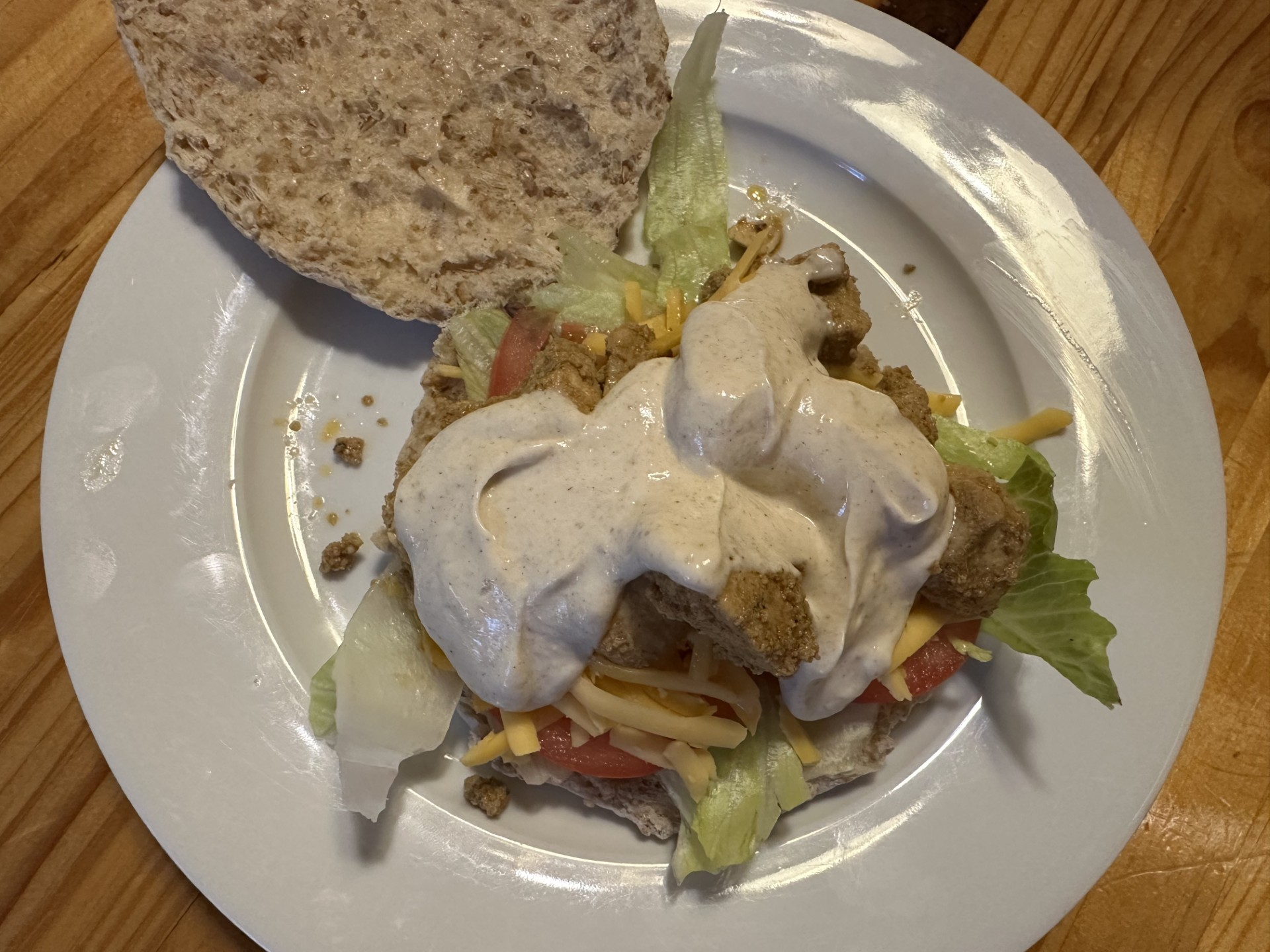
Assemble your shawarmas by adding a layer of lettuce, tomato, cheese, red onion, and chicken and topping it all with the yoghurt sauce.

About Robbie Cheadle

Robbie also has two novels and a collection of short stories published under the name of Roberta Eaton Cheadle and has horror, paranormal, and fantasy short stories featured in several anthologies under this name.
You can find Robbie Cheadle’s artwork, fondant and cake artwork, and all her books on her website here: https://www.robbiecheadle.co.za/
Find Robbie Cheadle
Blog https://wordpress.com/home/robbiesinspiration.wordpress.com
Bluesky https://bsky.app/profile/robbiecheadle.bsky.social
YouTube https://www.youtube.com/channel/UCVyFo_OJLPqFa9ZhHnCfHUA
Goodreads https://www.goodreads.com/author/show/15584446.Robbie_Cheadle
_________________________________
Did you know you can sponsor your favorite blog series or even a single post with an advertisement for your book? Stop by the WtbR Sponsor Page and let me advertise your book, or you can make a donation to Writing to be Read for as little as a cup of coffee, If you’d like to show your support for this author and WordCrafter Press.
___________________________________
This segment of “Read and Cook with Robbie Cheadle” is sponsored by WordCrafter Press and their themed anthologies.

Tales From the Hanging Tree: Imprints of Tragedy: There exists a tree that is timeless, spanning across all dimensions, which absorbs every life as those who are hanged as they die… and it remembers every one. The stories within are a select few of the Tales From the Hanging Tree.
Curses: Chronicles of Darkness:
There are all types of curses.
Cursed places, cursed items, cursed people, cursed families.
Curses that last throughout time. Curses which can’t be broken. Curses which are brought upon ourselves. Curses that will kill you and those that will only make you wish you were dead.
Legends: Monsters That Go Bump in the Night: Coming in 2026
Share this:

Read & Cook – Rhyming Dreams by Nicole Sara and Multicoloured Jelly Cupcakes
Posted: February 11, 2026 Filed under: Book Review, Collection, Poetry, Read and Cook, Recipes, Review | Tags: #ReadandCook, #RobbieCheadle, Book Reveiw, Nicole Sara, Poetry, Recipes, Rhyming Dreams, Writing to be Read 32 CommentsRhyming Dreams by Nicole Sara
What Amazon says
Rhyming Dreams is an enchanting and engaging collection of poems about the heart’s winding journey through deep wistful longing towards bliss and belonging along the meandering road of love and loss, hope and healing. This book is for anyone who dreams a lot, loves deeply, and has both good and bad days.. like steps on a pathway, be them confident or hesitating, nevertheless tirelessly searching for happiness in the enjoyment of small things around, yet so sweet, that life has to offer.
Each and every poem in this debut collection is deeply rooted in personal moments and experiences but still wonderfully universal, so that you feel taken by the hand and shown the beauty and brightness of it all, thus wholeheartedly invited to gently give yourself grace beyond the sadness of blue gloomy days, the tears or the brokenness.
This collection of beautifully flowing and uplifting verse is a soothing balm for the soul in search of serenity, helping the reader to reach peaceful shores deep within.
for here, on Earth, you and I
bearing within us the sky
we dance away beneath whispering stars
trying to reach beyond rails and bars
(fromKinship)
My review
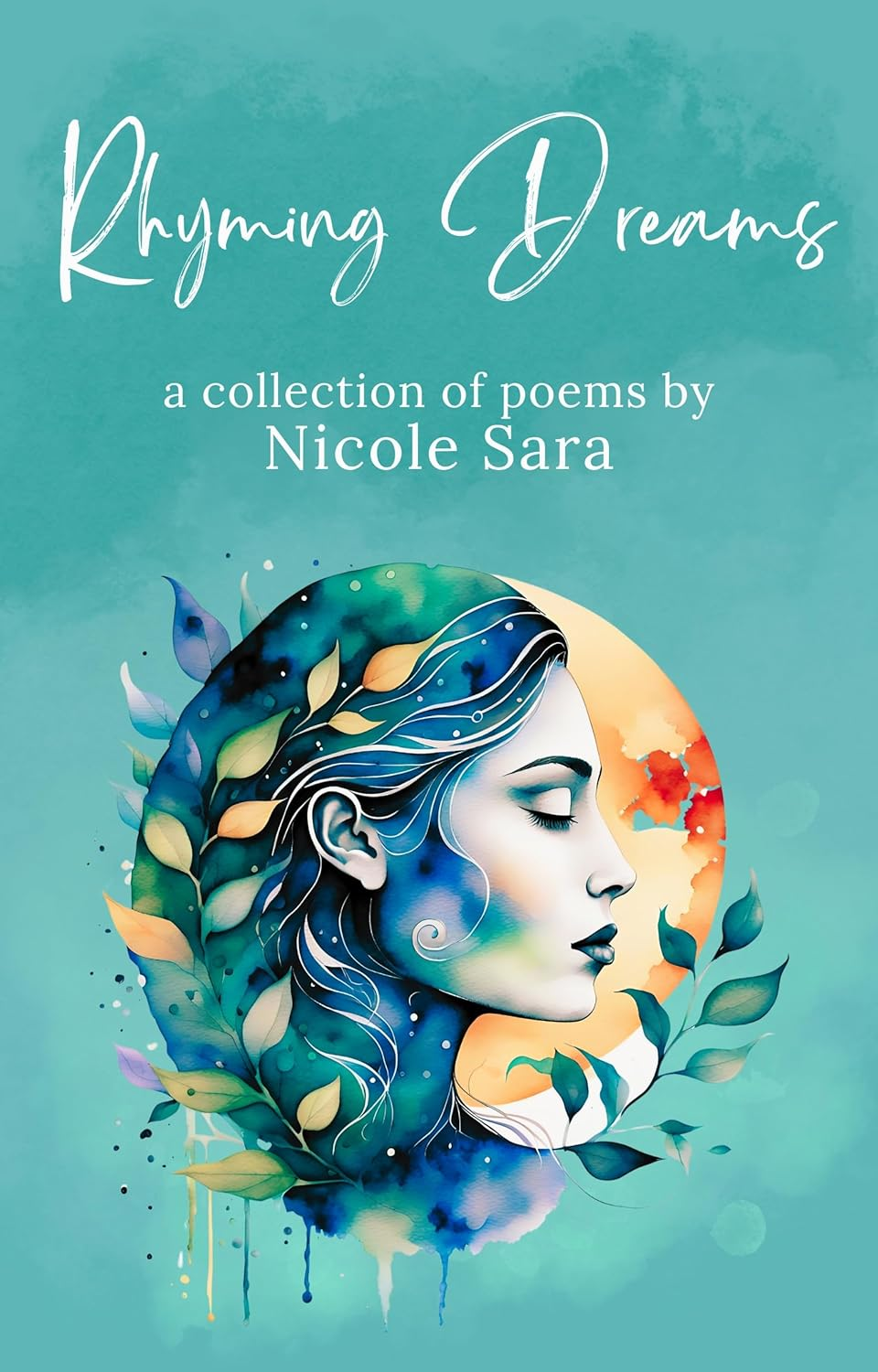
The poetry content of Rhyming Dreams is a delightfully ethereal as its striking cover of a female goddess in shades of blue against a turquoise background. The poet introduces this collection with an overview about the large variety of different steps she has taken during her life and how they have led her on different journeys. Some steps are hard to take and some are taken quickly, heedless of potential danger, but all lead to change. The overarching message in this introduction and in this book, is that no matter how tough life gets, our feet always eventually grow wings again and our steps led us upwards, in pursuit of our dreams and better opportunities.
Many of the poems are written in rhyming verse which is a favourite form of mine, and all are exquisitely beautiful. Each poem is matched with one of the poet’s wonderful colour photographs that compliment the words. One of the objectives of this collection is to create and share beauty by engaging all of the senses in a sensuous and vivid way. It creates a path of poems to joy and gratitude.
One of my favourite poems in the collection is called Starry Steps and it provides a small peek into the collection.
Starry Steps
“to step on stairs
of stars
to breathe in their light,
their dream
touching their statin star dust
beyond clouds
and the moon…
smiling
from within their shine
and hiding behind veils of rays
to fall asleep
sun in your heart…”
A poetry collection that uplifts and inspires.
Purchase Rhyming Dreams by Nicole Sara from Amazon US here: https://www.amazon.com/Rhyming-Dreams-Nicole-Sara-ebook/dp/B0DCZXWMBF
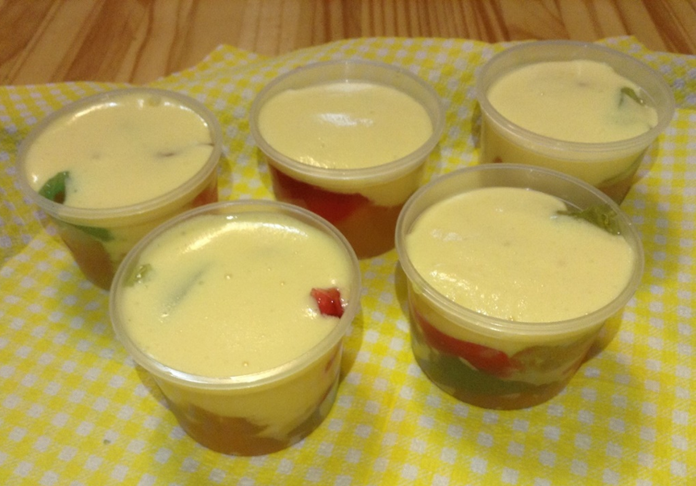
Multicoloured Jelly Cupcakes
Ingredients
1 each red, green, orange, blue and pink jelly; 1 lemon jelly; 125 ml evaporated milk; and 250 ml clear apple juice
Method
Make up the red, green, orange, blue and pink jellies according to the instructions on the packet. When set, chop the jellies roughly into squares. Heat the apple juice and dissolve the lemon jelly in the juice and allow to cool. Add the slightly beaten evaporated milk. Place cupcake holders on a baking tray and fill them to three quarters full with different coloured squares of jelly. Cover the jelly pieces with the lemon mixture. Place in the refrigerator to set overnight.
About Robbie Cheadle
Robbie also has two novels and a collection of short stories published under the name of Roberta Eaton Cheadle and has horror, paranormal, and fantasy short stories featured in several anthologies under this name.
You can find Robbie Cheadle’s artwork, fondant and cake artwork, and all her books on her website here: https://www.robbiecheadle.co.za/
Find Robbie Cheadle
Blog https://wordpress.com/home/robbiesinspiration.wordpress.com
Bluesky https://bsky.app/profile/robbiecheadle.bsky.social
YouTube https://www.youtube.com/channel/UCVyFo_OJLPqFa9ZhHnCfHUA
Goodreads https://www.goodreads.com/author/show/15584446.Robbie_Cheadle
_________________________________
Did you know you can sponsor your favorite blog series or even a single post with an advertisement for your book? Stop by the WtbR Sponsor Page and let me advertise your book, or you can make a donation to Writing to be Read for as little as a cup of coffee, If you’d like to show your support for this author and WordCrafter Press.
___________________________________
This segment of “Read and Cook with Robbie Cheadle” is sponsored by WordCrafter Press and their themed anthologies.
Tales From the Hanging Tree: Imprints of Tragedy: There exists a tree that is timeless, spanning across all dimensions, which absorbs every life as those who are hanged as they die… and it remembers every one. The stories within are a select few of the Tales From the Hanging Tree.
Curses: Chronicles of Darkness:
There are all types of curses.
Cursed places, cursed items, cursed people, cursed families.
Curses that last throughout time. Curses which can’t be broken. Curses which are brought upon ourselves. Curses that will kill you and those that will only make you wish you were dead.
Legends: Monsters That Go Bump in the Night: Coming in 2026
Share this:

Read and Cook – Wind in the Willows by Kenneth Grahame and Sally Lunn Teacakes
Posted: January 14, 2026 Filed under: Book Review, Fiction, Recipes, Review, Robbie Reads and Cooks | Tags: #ReadandCook, #RobbieCheadle, Baking, BookReview, Kenneth Grahame, Sally Lunn Teacake, Wind in the Willows 16 CommentsWind in the Willows by Kenneth Grahame
Introduction
The Wind in the Willows is a charming tale that centres around four animals living in an idyllic English setting. The descriptions of the English countryside are delightful, and the book embodies the best of English country life.
The story commences with the mole experiencing a sudden desire to have an adventure and experience life outside of his underground home. He is busy doing his spring cleaning, but he follows the urge to throw down his paint brush and dig upwards and outwards. He comes out in a beautiful spring meadow. Seeing the river for the first time, he goes down to see it and meets the Water Rat. The two animals strike up a conversation and the Water Rat offers to take Mole on a picnic along the riverbank. During the picnic, Rat tells Mole about all the characters who live around the riverbank including Mr Toad, an impetuous creature who inherited wealth from his father and indulges himself in a variety of obsessive behaviours, the hermit-like Badger who lives in the Wild Wood, and Otter. On the way back to Rat’s den after the picnic, Mole seizes the oars from Rat and tries to row. He overturns the boat and nearly drowns. He is pulled out by the Rat who proceeds to rescue all his belongings and his boat from the water. The Mole is overcome by remorse at his rash action that caused the Rat so much trouble. Mole ends up spending the night at the Rat’s den and the pair become friends.
A few days later, Rat takes Mole to visit Mr Toad, a landed gentleman who lives in the best house in the area, Toad Hall. This visit results in the friends going off in a caravan with Toad who has a desire for adventure and to see the larger country. This adventure ends with Toad learning about motor cars and declaring that he shall have one. Mole and Rat return to Rat’s den and Mole ends up staying, time passes, and winter comes.
Rat has told Mole all about Mr Badger, a kindly creature who lives in the Wild Wood, a scary place where the river animals do not often go. Mole is curious about Badger who is a recluse and rarely undertakes social activities. One winter’s day while Rat is sleeping in his armchair in front of the fire, Mole sets off on his own to find Badger. This unfortunate decision nearly ends badly for Mole and the brave Rat, who comes to find his friend when he discovers he is missing. Good fortune, however, has the pair stumbling across the home of Badger and they are saved. Mole also gets his wish of meeting Badger. During their time at Badger’s home, the subject of Toad comes up and the reader learns that Toad’s obsession with motor vehicles has resulted in him wrecking eight vehicles, ending up in hospital a few times, and getting into trouble with the law because of his reckless behaviour on the roads. Badger decides that the Toad’s three friends, himself, Mole, and Rat, must take Toad in hand in the spring.
This first part of the novel introduces the two main themes of home as a source of strength and the power of nature. The development of the Mole’s character from a timid, nervous, and excitable animal into a brave, dependable, and thoughtful friend. It is only by leaving his home that Mole can learn about the vastness of nature and the joys of companionship and friendship.
The homes of Rat and Badger are integral to their characters and roles in the story. Water Rat and the river are joined together almost as one. Both are calm and poetic but also in constant motion as they follow the tides. Rat is a gregarious creature and accepts the changes to his life brought by the seasons and the river’s reactions to the seasons, with good grace. Rat is as accepting of flooding of his home as he is of newcomers into his life.
The Badger has a vast underground home that suits his slow, lumbering movements and winter hibernation. Badger’s home is his place of sanctuary from society where he can be alone and restore his equilibrium after social interactions.
When the spring comes, Badger makes good on his promise and the trio go to Toad’s house and confront him about his irresponsible behaviour. Toad refuses to listen and promise to amend his behaviour, and so Badger decides to imprison him in his bedroom until he sees reason. Naturally, the deceitful Toad manages to escape. Toad steals a car and gets arrested and thrown in jail for twenty years. The charges are theft, reckless driving, and being disrespectful to the police.
This sets the stage for the second part of the story which revolves around forcing Toad to behave with proper etiquette suited to his station in life. This second section of the book expands on the themes of home as a source of strength and the importance of animal etiquette. Mole learns these lessons quickly while Toad must learn them slowly and because of numerous unfortunate and difficult life lessons.
My thoughts
I loved the beautiful and scenic writing in this book. Nature is a force in this book that the animal characters must pay constant attention to or risk their lives. I liked how nature was so true to life, neither benevolent nor malevolent but rather a condition for existence that must be acknowledged and accommodated.
The scene where Mole and Rat are so in tune with nature, they can hear the music of the Piper while searching for the missing baby otter. The music guides them, and they find Portly and get a glimpse of nature personified as a demi-god. This scene is spiritual and powerful.
This book really spoke to me as it encapsulates everything I value in life: home, nature, and social harmony including consideration and respect for others.
Quotes from this book
“Spring was moving in the air above and in the earth below and around him, penetrating even his dark and lowly little house with its spirit of divine discontent and longing.”
“All this he saw, for one moment breathless and intense, vivid on the morning sky; and still, as he looked, he lived; and still, as he lived, he wondered.”
“But Mole stood still a moment, held in thought. As one wakened suddenly from a beautiful dream, who struggles to recall it, but can recapture nothing but a dim sense of the beauty in it, the beauty! Till that, too, fades away in its turn, and the dreamer bitterly accepts the hard, cold waking and all its penalties.”
“He saw clearly how plain and simple – how narrow, even – it all was; but clearly, too, how much it all meant to him, and the special value of some such anchorage in one’s existence. He did not at all want to abandon the new life and its splendid spaces, to turn his back on sun and air and all they offered him and creep home and stay there; the upper world was all too strong, it called to him still, even down there, and he knew he must return to the larger stage. But it was good to think he had this to come back to, this place which was all his own, these things which were so glad to see him again and could always be counted upon for the same simple welcome.”
Sally Lunn Teacake recipe
Ingredients ( 1 large teacake or 2 medium teacakes)
360 ml plain or cake flour
1 egg, beaten
1/2 teaspoon salt
7 grams powdered yeast
1 teaspoon sugar
165 ml milk and water (2/3 milk and 1/3 water)
30 ml (1 Tablespoon) butter
Egg or milk to glaze (I used milk)
Glace icing (I used this recipe for glace icing: https://www.snowflake.co.za/recipes/glace-icing)
Method
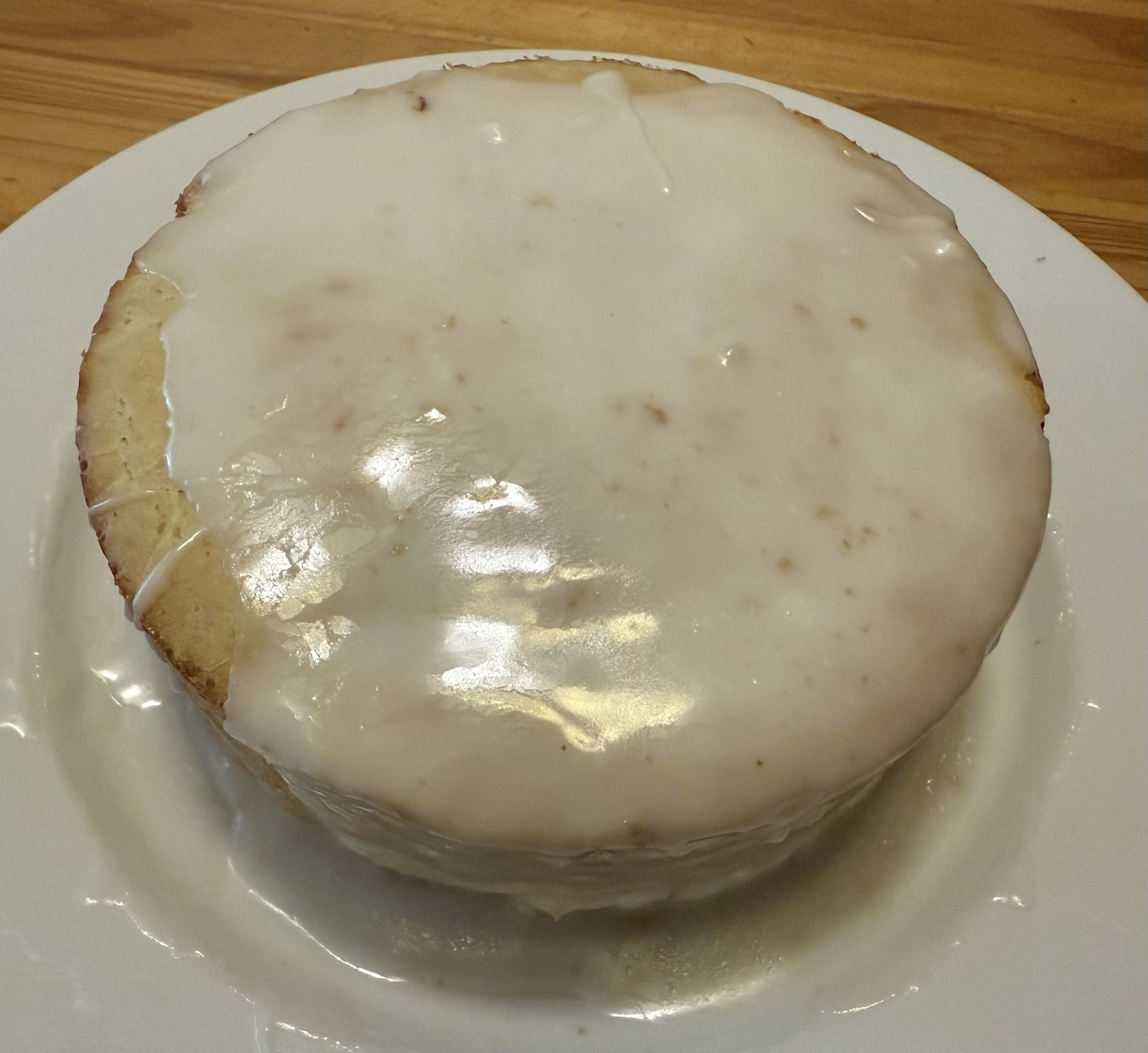
Sift the salt and flour into a mixing bowl. Mix the yeast power with the milk and water heated until its tepid (lukewarm – NOT HOT) and the sugar, pour into the flour and combine. Add the melted butter (NOT HOT) and beaten egg and mix to a light, sticky dough. Knead for few minutes. If you are doing the kneading by hand, cover hands with a coating of flour before starting to help prevent sticking. Grease a small cake tin or two smaller cake tins and transfer the dough to the tins. Set in a warm place to rise until the dough has more than doubled in size (I put in in a cool oven – 100 C) for 30 minutes.
Paint the top of the risen dough with warm milk and place in an oven pre-heated to 230 C (450 F) and bake to approximately 20 minutes or until a cake tester comes out clean. When cold, cover the teacake with glace icing.
About Robbie Cheadle
Robbie also has two novels and a collection of short stories published under the name of Roberta Eaton Cheadle and has horror, paranormal, and fantasy short stories featured in several anthologies under this name.
You can find Robbie Cheadle’s artwork, fondant and cake artwork, and all her books on her website here: https://www.robbiecheadle.co.za/
Find Robbie Cheadle
Blog https://wordpress.com/home/robbiesinspiration.wordpress.com
Bluesky https://bsky.app/profile/robbiecheadle.bsky.social
YouTube https://www.youtube.com/channel/UCVyFo_OJLPqFa9ZhHnCfHUA
Goodreads https://www.goodreads.com/author/show/15584446.Robbie_Cheadle
_________________________________
Did you know you can sponsor your favorite blog series or even a single post with an advertisement for your book? Stop by the WtbR Sponsor Page and let me advertise your book, or you can make a donation to Writing to be Read for as little as a cup of coffee, If you’d like to show your support for this author and WordCrafter Press.
___________________________________
This segment of “Read and Cook with Robbie Cheadle” is sponsored by WordCrafter Press and their themed anthologies.
Tales From the Hanging Tree: Imprints of Tragedy: There exists a tree that is timeless, spanning across all dimensions, which absorbs every life as those who are hanged as they die… and it remembers every one. The stories within are a select few of the Tales From the Hanging Tree.
Curses: Chronicles of Darkness:
There are all types of curses.
Cursed places, cursed items, cursed people, cursed families.
Curses that last throughout time. Curses which can’t be broken. Curses which are brought upon ourselves. Curses that will kill you and those that will only make you wish you were dead.
Legends: Monsters That Go Bump in the Night: Coming in 2026
Share this:

Read and Cook – This Is How We Work: Stories, Memoirs and Poems about Social Dimensions of Work and Stained Glass Biscotti for the Annual Cookie Exchange
Posted: December 10, 2025 Filed under: Recipes, Review, Robbie Reads and Cooks | Tags: #baking, #Bookreview, #non-fiction, #ReadandCook, #RobbieCheadle 90 CommentsToday, I am delighted to share my review of a unique anthology centering around work experiences in the broadest sense of the word work. This Is How We Work: Stories, Memoirs and Poems about Social Dimensions of Work was compiled by contributing editor Yvette Prior.
This Is How We Work: Stories, Memoirs and Poems about Social Dimensions of Work
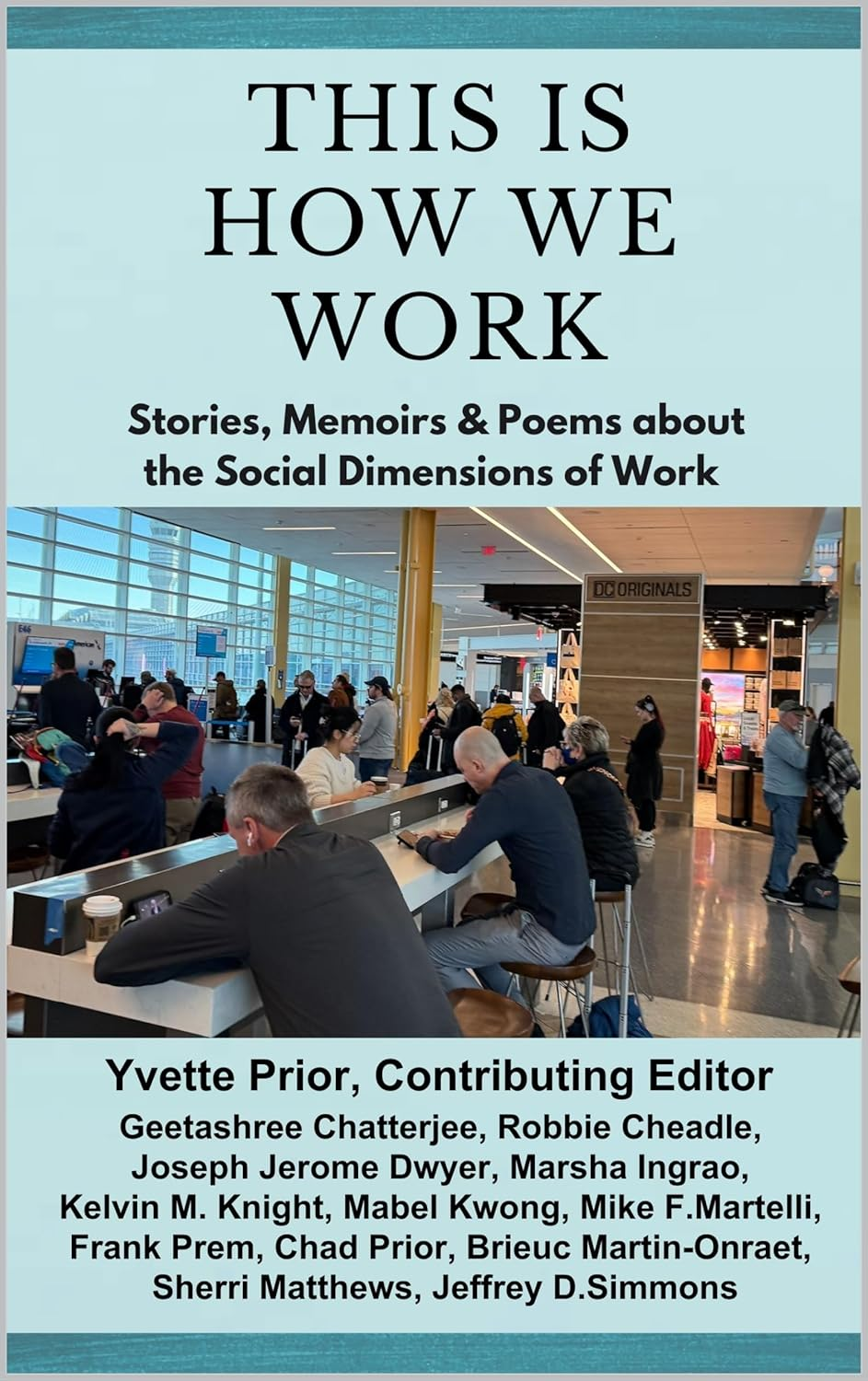
This Is How We Work is a unique collection of stories, memoirs and poems which all centre around the theme of the workplace. It is a most insightful and interesting collection as the various contributors from around the world all engage/engaged in different forms of work, many quite different from my own experiences in the corporate world.
Chapter 1 by Yvette Prior, the editor and a co-contributor, provides insight into why she selected this theme for the anthology and sets out the aims of the anthology for readers. It ends with a wonderful quote: “We work to live, but stories help us understand why we live, and sometimes, why we work.”
All of the contributions are compelling and give great insight into the evolution of the contributors careers and how their ideas on work changed over time. I have experienced this happening from my own perspective in my job so it is very relatable for me. I am going to share a bit more about the contributions that resonated the most with me.
Chapter 3, The Quiet Work of Love by Sherri Matthews was particularly useful and, in many ways heart rending, for me. Sherri depicts her journey as a caregiver to her mother as she aged and became less capable. I have followed this journey to a lessor extent with my aging aunt and am also following it with my own aging parents. The emotional angst of watching those we love giving up everything they enjoy and care about over time and becoming frail is hard – very hard. Sherri’s story was relatable and a mixture of encouraging and horrifying as I read it.
Chapter 4, The Creative Dream Job That Wasn’t So Dreamy, by Mabel Kwong also interested me greatly. I am a chartered accountant with a highly creative bend and spend a lot of my spare time writing and painting. Up until recently, I cherished the idea of turning these ‘hobbies’ into income producing activities. Prior to reading Mabel’s story, I had already arrived at the conclusion that turning creative outlets into work changed them in a negative way. When you paint commissions, you lose control over the creative output on many levels. Painting on demand is very different from someone seeing something you have created and asking to buy it as it is. Commissions means dancing to the purchasers tune which curtails your own creative ideas. It is the same with writing. If you write for the traditional publishing market, you write to the rules of the traditional publishers. That doesn’t work for me and I have never attempted to find a traditional publisher for my work. Mabel’s story of disillusionment with paid writing confirmed my own views, despite the fact that Mabel did gain a great deal from the experience and she grew as a writer. Anyone contemplating writing for a living should read this memoir.
Chapter 6, The Paper Knife Incident by Brian Martin-Onraet, was a delightfully entertaining story about working in Gabon, Africa. It highlights differences in work ethics and circumstances of workers and also focuses on management choices and behaviours. Brian is an excellent writer and I hope he publishes more of his fascinating stories.
Chapter 7, Serving The Patient, Resisting The System: Work Across by Career by Mike F. Martelli, is riveting reading. Mike’s journey in the field of mental health was insightful into how the health system has changed over time and is now focused on patient turnaround rather than patient service. It was sad for me as a reader and I’m sure its incredibly disillusioning for medical practitioners who enter the system full of the eagerness to make a difference of youth. Although this piece focuses on the health industry, its content applies to many other fields like teaching and even corporate work.
Chapters 11, Eighty-five Degrees For Me by Marsha Ingrao, and 13, Asylum Ghosts (And No Escape Room) by Frank Prem (Poetry), both give incredible insight into the worlds of teaching and psychiatric nursing, respectively. I learned a great deal about these professions, which are in my mind callings, and my respect for the people who enter these professions increased tenfold.
Chapter 16, Chapter Summaries by Yvette Prior, is a lovely summary of each of the contributions including her personal thoughts on how these pieces and poems can benefit readers. Yvette also contributed some beautiful and thought provoking poems to the collection.
I highly recommend this meaningful collection.
This Is How We Work: Stories, Memoirs and Poems about Social Dimensions of Work is available form Amazon US here: https://www.amazon.com/This-How-We-Work-Dimensions-ebook/dp/B0FWC6BMFP/
Recipe: Stained Glass Biscotti

My recipe for December is Stained Glass Biscotti. It is also my contribution to Staci Troilo’s annual Cookie Exchange. You can read more about it here: https://stacitroilo.wordpress.com/2025/12/01/thanks-deals-treats. You can find all the cookie recipes from the last four years of the Cookie Exchange here: https://stacitroilo.wordpress.com/recipes/
This recipe comes from The Australian Women’s Weekly Christmas miniatures finger food and tiny treats. I have this book as a paperback and have used it to make Christmas treats for years.
This is a gallery of the book cover and two of the recipe pages:


Ingredients
165 grams caster sugar
2 medium eggs
200 grams plain/all purpose/cake flour
50 grams self raising flour
300 grams multi glace cherries (a mix of colours is preferable)
80 grams sliced/diced almonds
Method
Preheat the oven to 180 C or 350 F. Prepare your cookie baking tray using grease or oil spray.
Mix sugar and eggs in a mixing bowl until well combined and then stir in flour, cherries and nuts. Knead the doub on a floured surface until smooth. Divide the dough into two parts and roll each part into a long sausage/log. Place logs on the prepared baking trays and bake for 30 minutes. Remove from oven and cool for 10 minutes.
Reduce the oven temperature to 150 C or 300 F. Using a serrated edged knife, cut the logs into slices. Place the slices in a single layer on prepared baking trays and bake for a further 30 minutes until dry and crisp. I turn the biscuits half way through the second baking session.
Wishing you all a Merry Christmas and/or Happy Holidays
About Robbie Cheadle
Robbie also has two novels and a collection of short stories published under the name of Roberta Eaton Cheadle and has horror, paranormal, and fantasy short stories featured in several anthologies under this name.
You can find Robbie Cheadle’s artwork, fondant and cake artwork, and all her books on her website here: https://www.robbiecheadle.co.za/
Find Robbie Cheadle
Blog https://wordpress.com/home/robbiesinspiration.wordpress.com
Bluesky https://bsky.app/profile/robbiecheadle.bsky.social
YouTube https://www.youtube.com/channel/UCVyFo_OJLPqFa9ZhHnCfHUA
Goodreads https://www.goodreads.com/author/show/15584446.Robbie_Cheadle
_________________________________
Did you know you can sponsor your favorite blog series or even a single post with an advertisement for your book? Stop by the WtbR Sponsor Page and let me advertise your book, or you can make a donation to Writing to be Read for as little as a cup of coffee, If you’d like to show your support for this author and WordCrafter Press.
___________________________________
This segment of “Read and Cook with Robbie Cheadle” is sponsored by WordCrafter Press and their themed anthologies.
Tales From the Hanging Tree: Imprints of Tragedy: There exists a tree that is timeless, spanning across all dimensions, which absorbs every life as those who are hanged as they die… and it remembers every one. The stories within are a select few of the Tales From the Hanging Tree.
Curses: Chronicles of Darkness:
There are all types of curses.
Cursed places, cursed items, cursed people, cursed families.
Curses that last throughout time. Curses which can’t be broken. Curses which are brought upon ourselves. Curses that will kill you and those that will only make you wish you were dead.
Legends: Monsters That Go Bump in the Night: Coming in 2026




















